
PRESENTED BY DR ANGE ROGERS
Welcome to the 2026 Australian Mathematics Teachers Online Conference (AMTOC)
This is the main conference page. On this page you will find the links to each of the 24 presentations. You will have access to this page from 10am (AEDT) Monday 19th of January until Monday 16th February, 2026.
To access each recording simply click on the relevant button below. Enjoy!
- Dr Ange Rogers
DOWNLOAD YOUR AMTOC WORKBOOK2026 Conference theme:
“Something I have changed about the way I teach Maths is...and the research that led to this change is..."
Welcome Video!
Click on this short video to find out a little more about the logistics of the AMTOC conference and the wonderful sessions you can access!

DR ANGE ROGERS
When, where and why is fluency critical: The Instructional Hierarchy
In this session Ange will explore the Fluency Stage, where the goal of instruction is to increase the ease with which the student can accurately respond and execute skills. Participants will be provided with research around the importance of helping our students to develop fluency, and develop an understanding of practical steps they can take in their school to ensure fluency is part of every learning sequence.
Session Length: 69 minutes

PROFESSOR DI SIEMON
Myths, metaphors and legends concerning mathematics teaching and learning
Years of research and practice have built up a picture of what works and what doesn’t work in the teaching and learning of mathematics. This is a very significant, constantly evolving body of work contributed to by scholars all over the world and enriched by the experience of highly effective practitioners. It paints a diverse, complex picture of classroom practices, but the single most important conclusion that can be drawn from this huge body of work is that there is no one, ‘best way’ to teach and learn mathematics.
This presentation will consider some of the myths and legends in this field to make a case for a balanced mix of approaches to the teaching and learning of mathematics to ensure all students thrive mathematically.
Session Length: 41 minutes

BRAD NGUYEN
Teaching number facts with incremental rehearsal
In this session, Brad explores incremental rehearsal, a technique for supporting students to gradually learn number facts bit-by-bit. While traditional incremental rehearsal is a one-to-one intervention, Brad shows how the principles of incremental rehearsal can be applied to whole-class instruction and integrate the practice of mental strategies. Participants will see what this looks like in practice.
You will walk away from this session with practical strategies and resources to support all students to learn number facts and set them up for success.
Session Length: 14 minutes

DR AYLIE DAVIDSON
How the Task Analysis Guide (Smith et al., 2000) has helped me to become more discerning when selecting and planning tasks in mathematics
In this session, using fractions as a context, Aylie demonstrates how she uses the Task Analysis Guide ([TAG] Smith & Stein, 1998) to determine the potential of a range of tasks. Aylie discusses how she uses the TAG when planning highlights important considerations including: having a clear mathematical and pedagogical focus, the role of explicit teaching, building relational understanding, formative assessment, and catering for diverse learners.
Session Length: 34 minutes
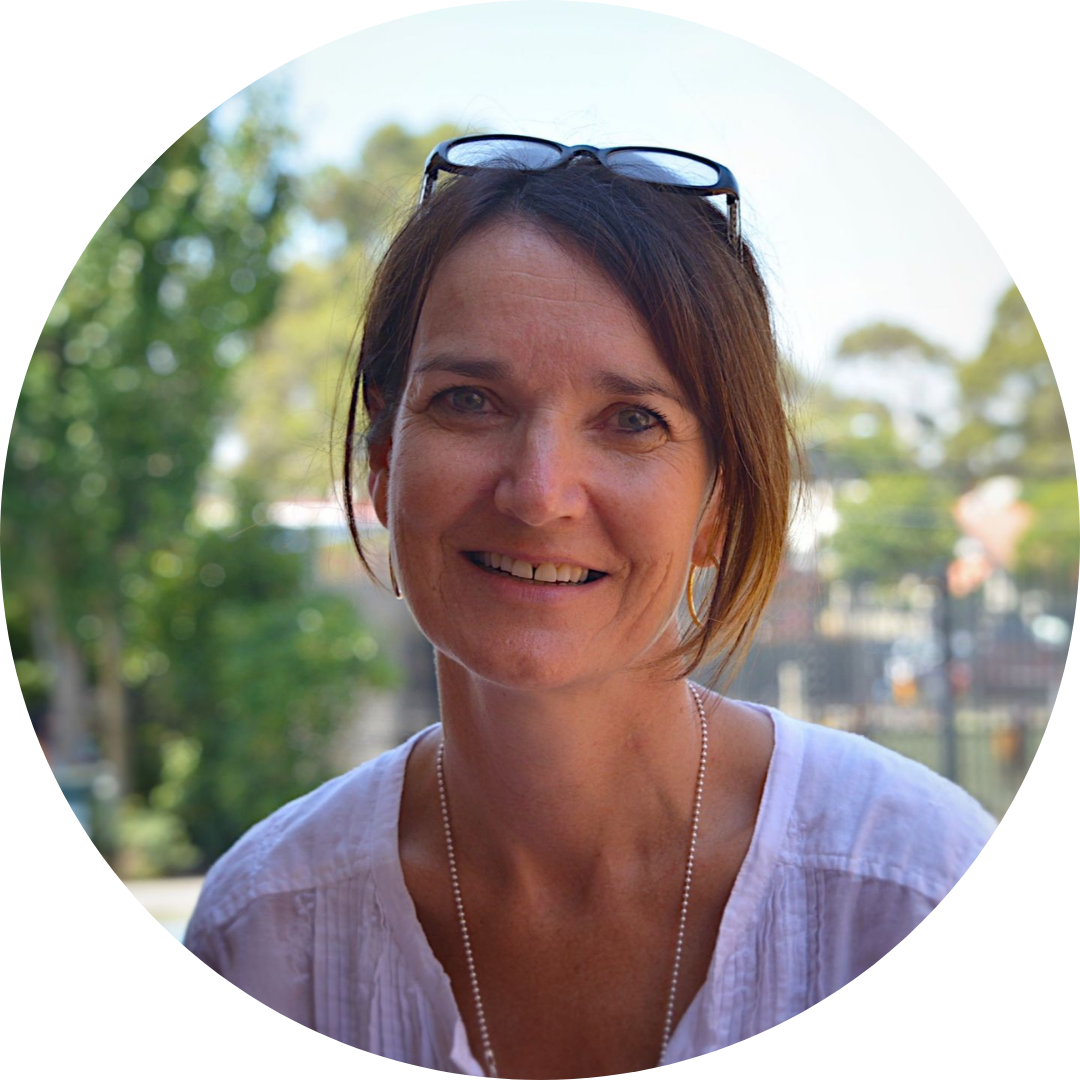
DR BERN LONG
How to equip Years 3-6 students with complex mental computation strategies
Bern's session focuses on equipping Years 3–6 students with fluency, efficiency, and flexibility in complex mental computation strategies. She asserts that achieving true computational fluency demands students move beyond rote methods to master and strategically select sophisticated, higher-end strategies. Teachers and sometimes other students are guided to explicitly teach these methods and ensure students receive ample, ongoing experience applying them across all mathematical domains, not just through number.
Session Length: 26 minutes

DR CARLY SAWATZKI
Why I start with "When am I going to use this?"
When students pose the question, "When am I going to use this?" they are appealing for lessons that make clearer and stronger connections between the mathematics curriculum and the real world. In this session, Carly will consider ways to make these connections, with a particular focus on situating rational number concepts in money and financial contexts.
You will walk away from this session with practical teaching strategies for scaffolding application tasks.
Session Length: 18 minutes

DR ELISE VAN DER JAGT
The trouble with tricks:
From rules to reason in the primary mathematics classroom
In this session, Dr Elise van der Jagt explores why common “maths tricks” and shortcut rules often lead to misconceptions and expired understandings. She examines phrases like “just add a zero” or “multiplication makes bigger” and demonstrates how these oversimplifications hinder conceptual growth.
Session Length: 35 minutes
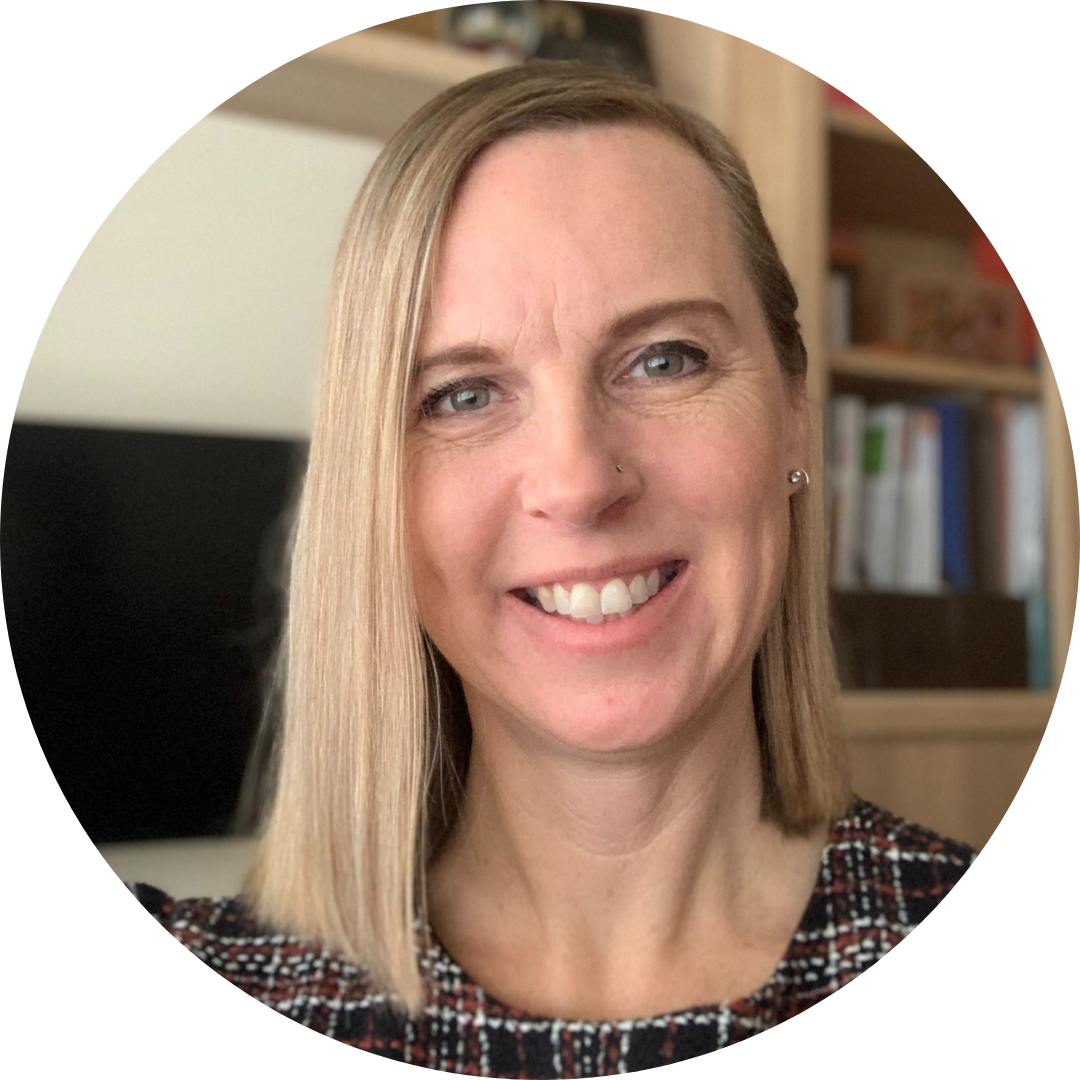
DR KATHERIN CARTWRIGHT
Something I have changed about the way I teach Maths is what I focus on when planning and the research that led to this change is Intentional Talk
Katherin Cartwright is a passionate mathematics educator and is a Senior Lecturer at the University of Wollongong teaching pre-service teachers. Katherin’s PhD research was on teachers' understanding of mathematical fluency and the characteristics of fluency students display. Her current research focuses on Embodied Learning in Early Mathematics. Katherin is an active member of MANSW (NSW’s mathematics association) and is currently president of MANSW. Katherin loves teaching and enjoys talking about mathematics, curriculum, and pedagogy. Katherin’s teaching background is with primary-aged students. She has a particular interest in researching mathematics approaches for primary teachers that will have a future impact on classroom practice.
Session Length: 25 minutes
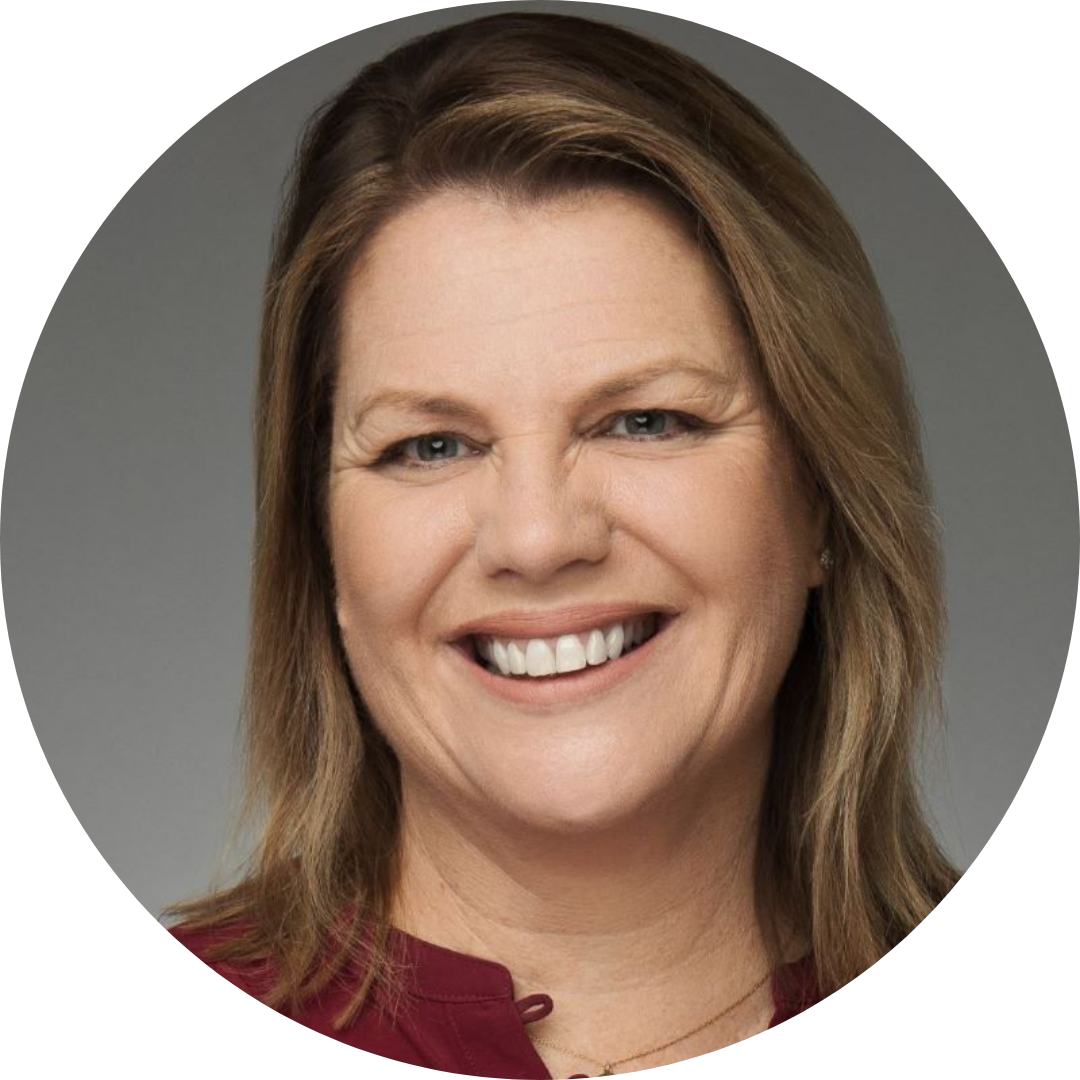
KRISTEN TRIPET
Meaningful Mathematical Tasks
In this session, Kristen explores the idea of meaningful mathematical tasks.
Drawing on research, she examines what makes a task mathematically meaningful and considers how such tasks can be implemented purposefully and effectively in teachers’ classrooms.
Session Length: 19 minutes

DR MARGARITA BREED
Open to thinking: Research from the early 90s is still with me today
In this session, Margarita will take you back to the early 90s, when she first encountered the concept that effective questions in maths don't always have a single answer. Today, these are known as open-ended questions and are a key aspect of her teaching practice.
Session Length: 10 minutes

DR SARA GAUL-MCKEE
Maths that Matters- and Motivates!
Dr Sara Gaul-McKee completed her Doctor of Education at the University of Melbourne, where her research centred on strengthening teacher capacity in mathematics and formative assessment. Throughout her career, Sara has held a range of school leadership roles, including Leading Teacher of Mathematics from Prep to Year 9, Assistant Principal of Curriculum, and Principal. She has also facilitated a Network Mathematics Community of Practice, collaborating with mathematics leaders and classroom teachers to enhance effective mathematics teaching.
Session Length: 30 minutes

JANE HUBBARD AND DR JAMES RUSSO
It's More Than Just a Game: Connecting Game Design with Self-determination Theory
In this session, Jane and James draw on self-determination theory to explore how student flourishing in mathematics can be supported through playing mathematical games. Positioning mathematics learning as holistic and interconnected, the presenters begin by unpacking the Learning Conditions Mandala (LCM) constructed from the self-determination theory literature.
Session Length: 55 minutes

JAMES DOBSON
Is Number Sense a Natural Skill?
In this session, James session builds teacher understanding of how number sense develops by exploring the Munduruku counting system as a lens for examining innate numerical abilities, and which should be taught. The concept of number sense is unpacked, providing practical tips for teaching these skills in the early years of school, including counting patterns, subitising, partitioning, and the effective use of manipulatives.
Session Length: 30 minutes
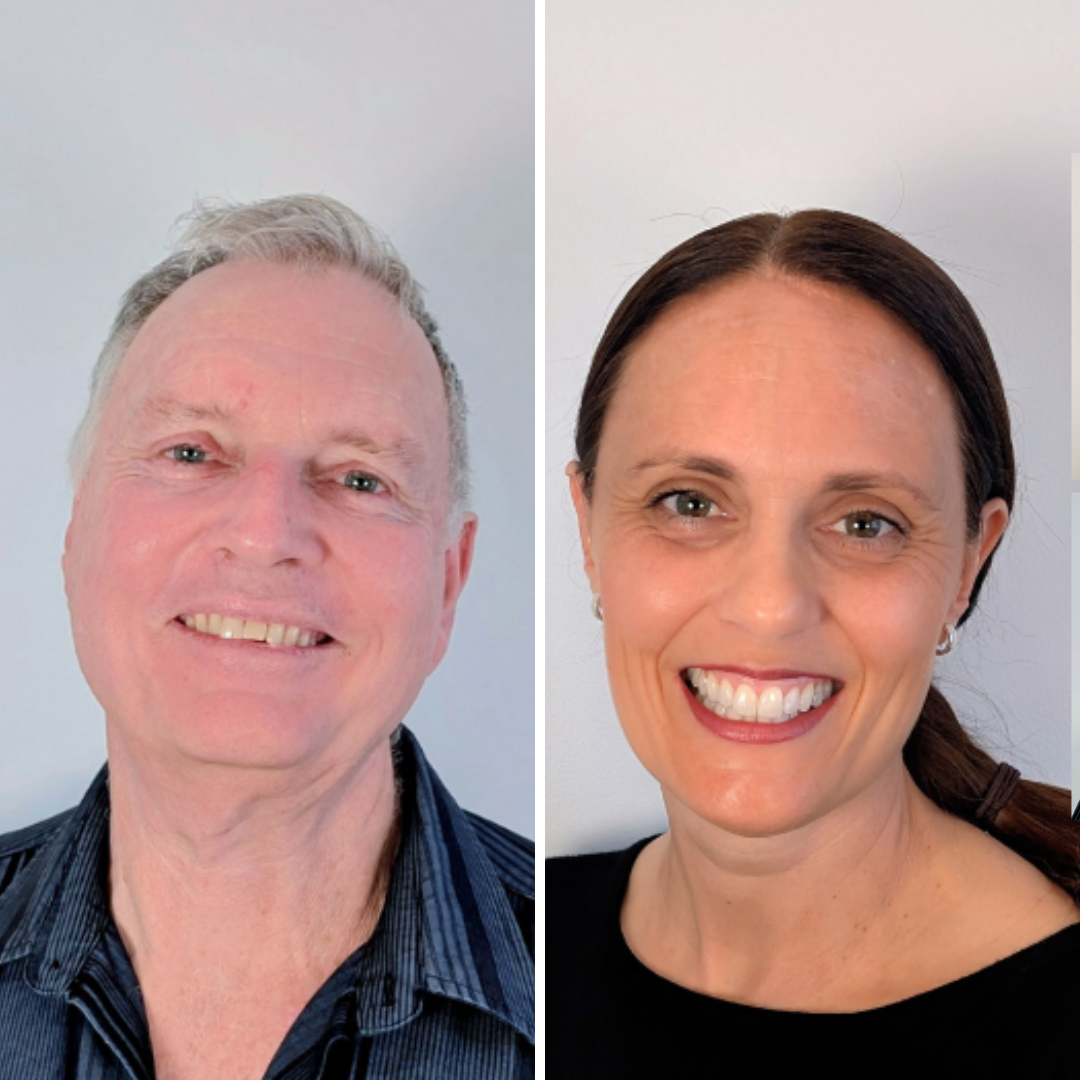
DR PAUL SWAN AND NARELLE RICE
How and why I (we) changed the way I (we) taught basic addition/subtraction facts
Paul and Narelle focus on basic addition facts and additive thinking.
They explain that fluency with these facts and long term retention is improved when students understand part part whole thinking. While doing these they touch on cognitive load theory, the concrete-representational-abstract approach, and the the link to solving some word questions.
Session Length: 28 minutes
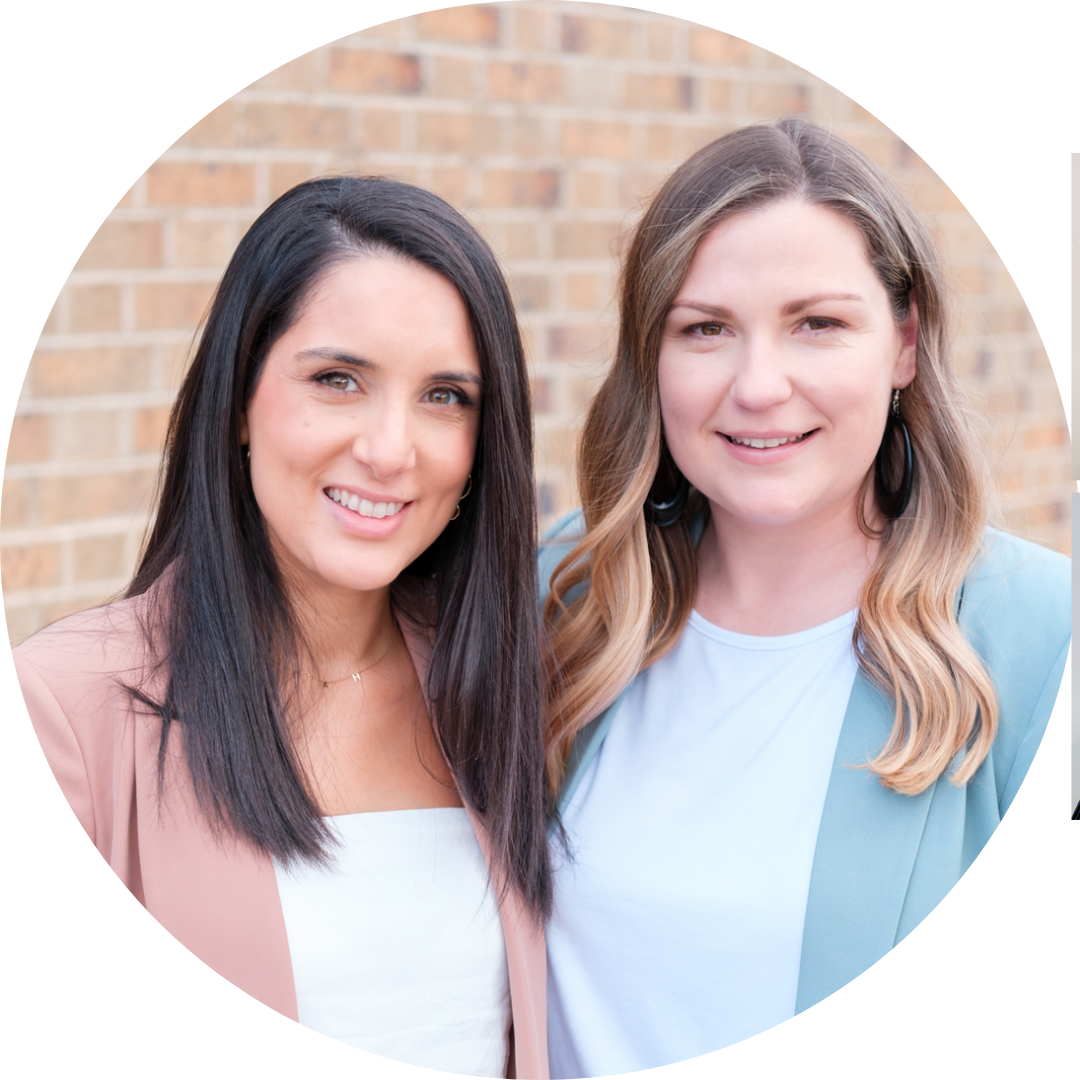
NICOLE THOMPSON AND JESSICA BATINOVIC
Building Maths Mastery: Using the Instructional Hierarchy to Drive Learning
Effective mathematics instruction requires more than strong content knowledge, it depends on understanding how students learn new skills and concepts over time. This professional development session explores the Instructional Hierarchy as a framework for designing and delivering high-impact maths lessons.
Session Length: 31 minutes
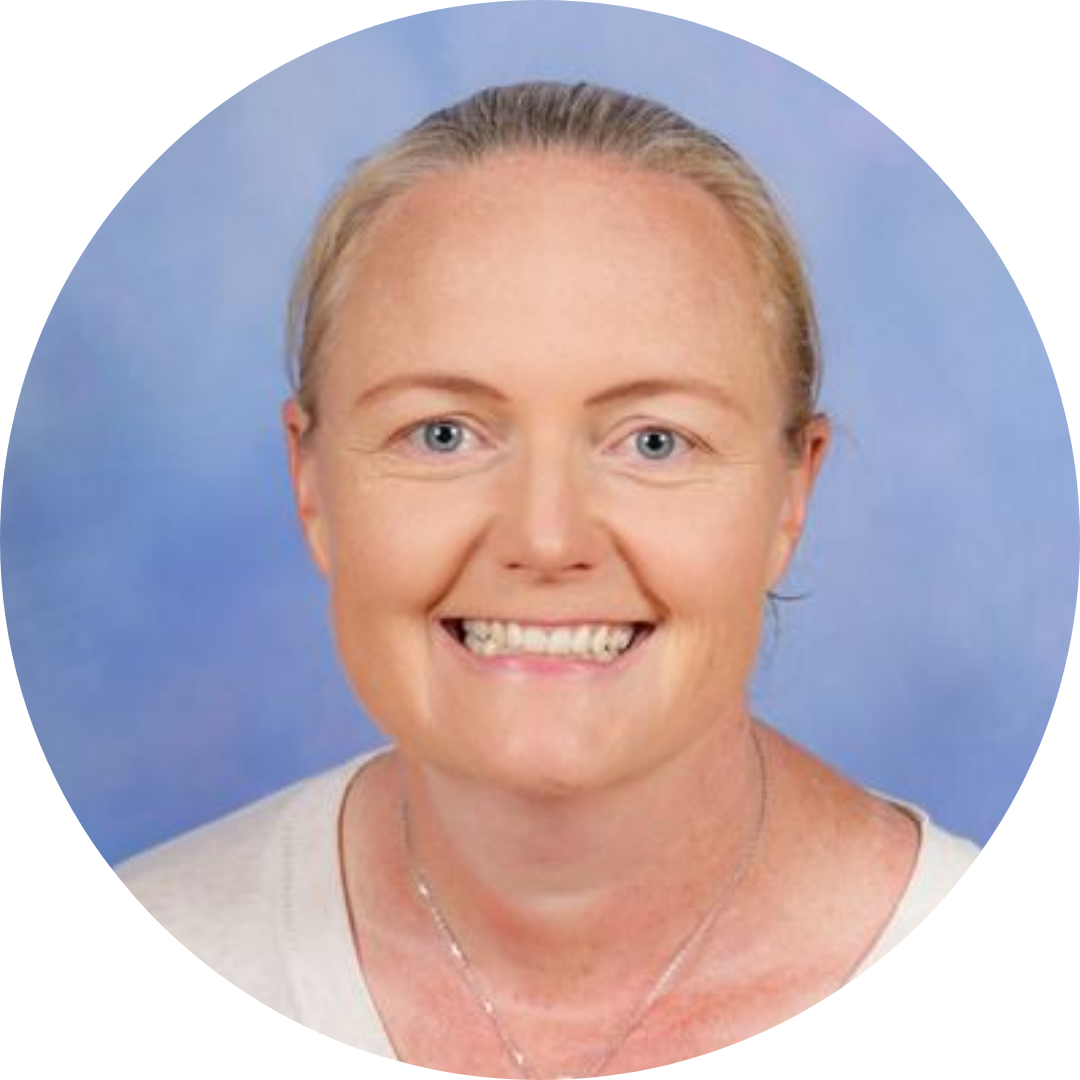
JESSICA KURZMAN
Checks for Understanding
In this session, Jessica will share how embedding varied, intentional, and pre-planned checks for understanding into lesson design has transformed the way she teaches mathematics. Drawing on Rosenshine’s Principles of Instruction, she will explore how these checks strengthen learning, provide timely insights into student understanding, and guide decisions about when and what to reteach. Through practical examples and classroom applications, participants will see how purposeful checks can enhance both engagement and achievement.
Session Length: 32 minutes

MICHAELA EPSTEIN
How to Make Maths Practice A Powerful Experience. Every Day
In this session, we'll focus on exactly what you can do to change this - for all learners.
Michaela will share repeatable strategies you can use to easily adapt your existing resources and make practice far more effective in the maths classroom.
Session Length: 32 minutes

MIKE NELSON
Scaffolding in the upper years
In this session, Mike explores how scaffolding can greatly assist all students in the upper years. Traditionally thought of as concrete materials, Mike explores a wide range of different scaffolds for Place Value, Fractions, Multiplication Addition and Subtraction and Measurement.
Session Length: 42 minutes
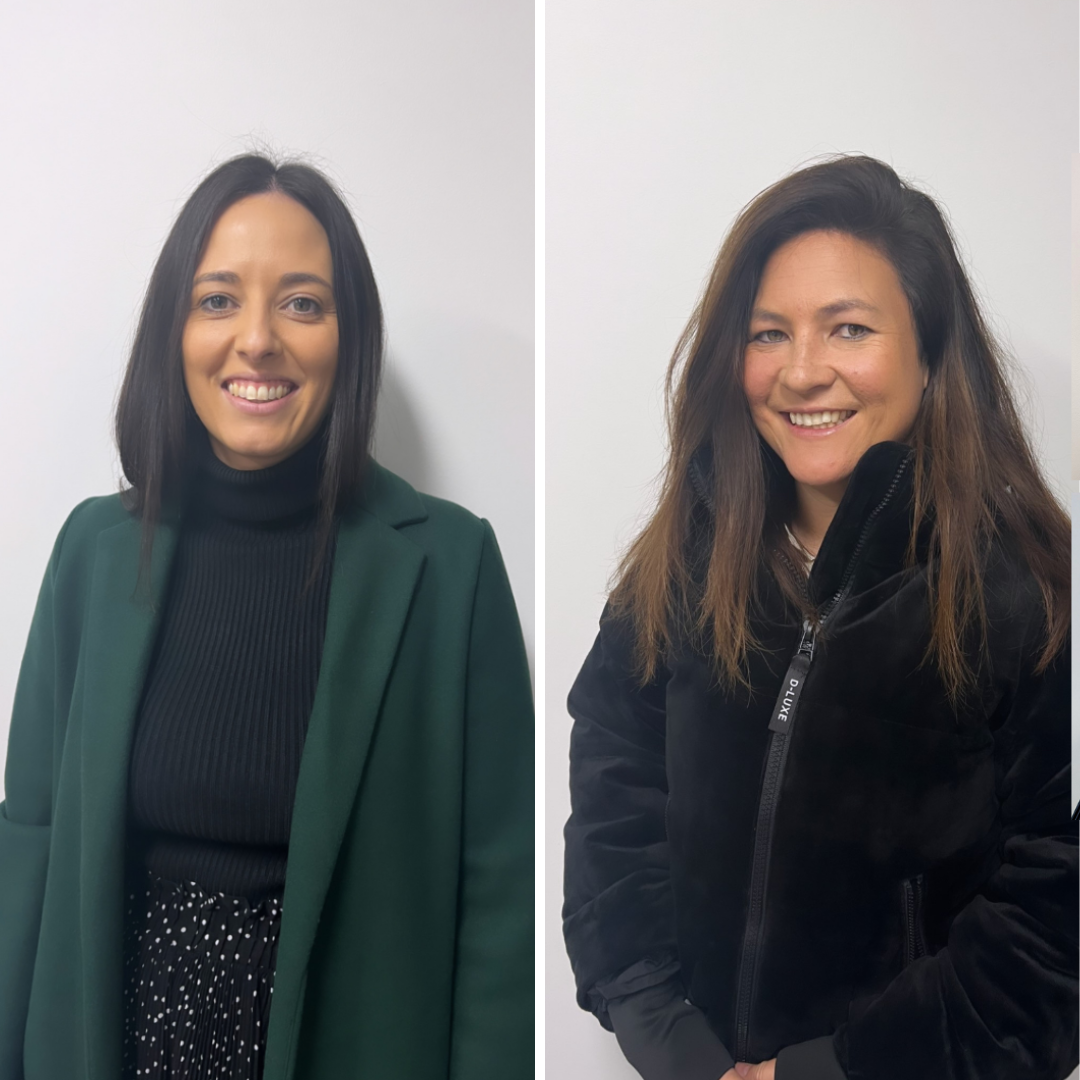
NIKKI D'ANTONIO AND TARYN VOLPE
Extending Mathematicians in the Primary Years
In this session, Nikki D’Antonio and Taryn Volpe explore practical and effective ways to extend mathematical thinking in the primary years. Drawing on their experience as High Ability Practice Leaders and Learning Specialists, they share strategies that challenge and engage high-achieving students through rich tasks, reasoning, and problem-solving.
Session Length: 32 minutes

RACHAEL WHITNEY-SMITH
From Isolated Skills and Concepts to Interconnected Thinking
In this session Rachael explores the importance of making connections in Mathematics to deepen students conceptual understanding and strengthen their mathematical learning. Participants will examine strategies for linking concepts within and across strands, real-world contexts, and prior knowledge to build a coherent mathematical framework of understanding.
Session Length: 36 minutes

REBECCA BURTENSHAW
If “Success” Is the Goal, What Are We Aiming For?
In this session, Rebecca explores how ‘success’ is conceived and manifested in mathematics classrooms. Drawing on insights from a national research project, she highlights the striking absence of a fifth proficiency strand within the Australian Curriculum: Mathematics - and why this may be the most important for ensuring all students experience genuine ‘success’ in mathematics.
Session Length: 28 minutes

SEAN ALSTON
Checking for understanding - responsive teaching
In this session, Sean explores responsive teaching through five key checking-for-understanding strategies: mini whiteboards, choral response, warm calling, think-pair-share and exit tickets. He demonstrates how to interpret formative assessment feedback and make effective ‘in-the-moment’ instructional decisions. Sean also highlights common pitfalls and how to avoid them when assessing student understanding.
Session Length: 31 minutes
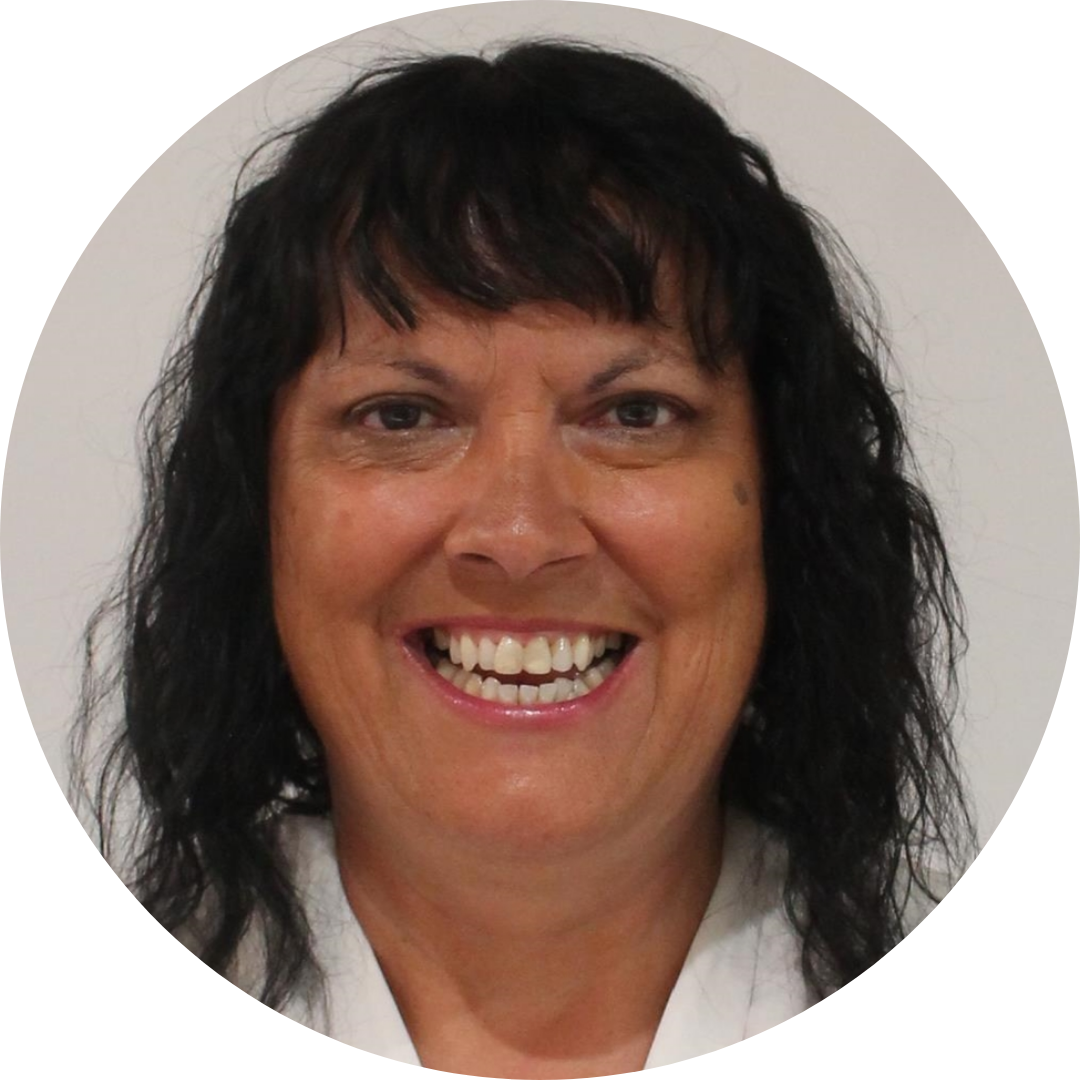
SHEILA GRIFFIN
Mathematics and Picture Books in Early Childhood
Children’s storybooks are a springboard for encouraging creative and critical thinking, providing opportunities for students to connect mathematical concepts with language. This session will focus on exploring excellent books promoting a rich mathematical understanding for students.
You will walk away from this session with an understanding of the different types of picture books with some suggestions to get you started!
Session Length: 21 minutes
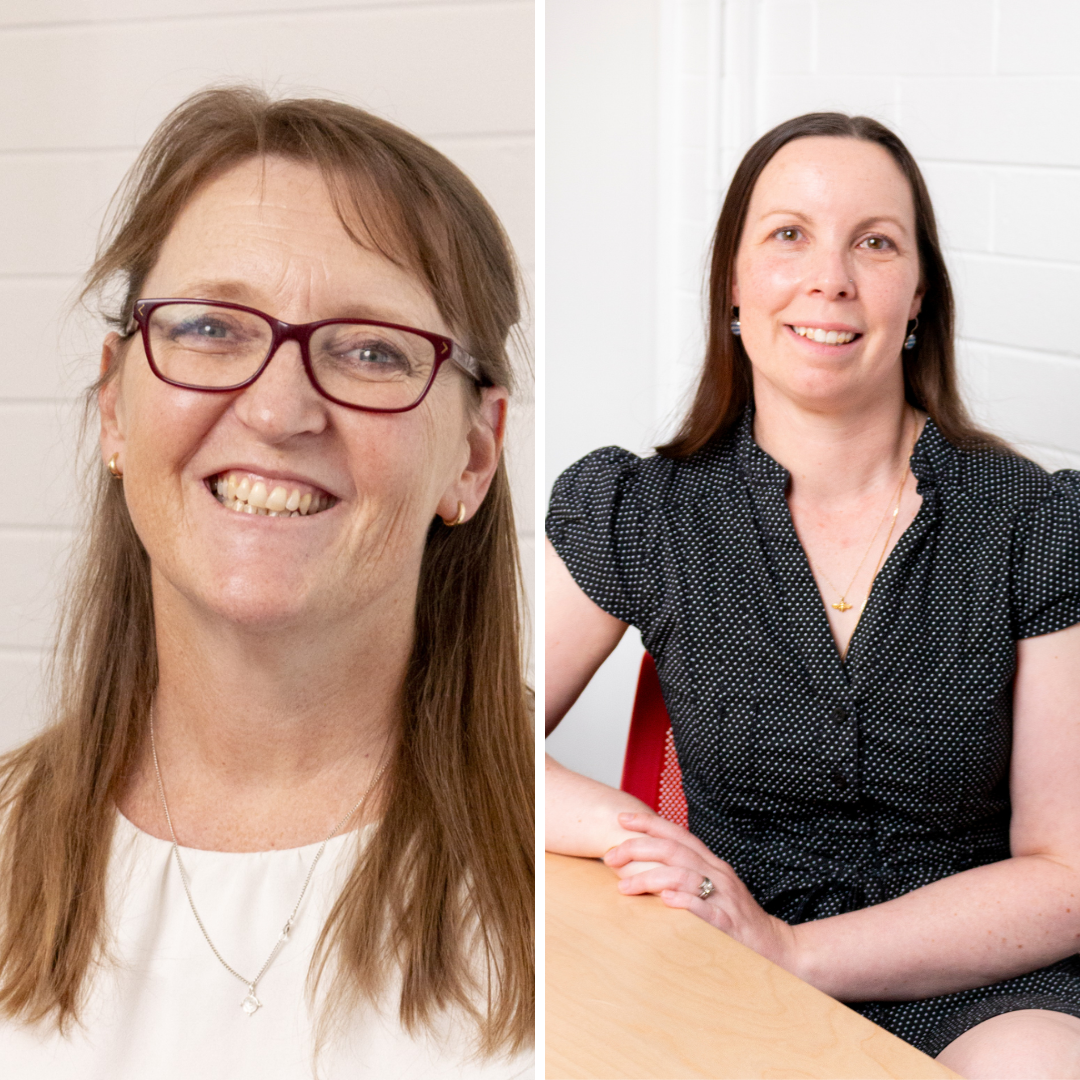
NICOLA KOVACS & STEPHANIE WATTS
Incorporating the CRA model in teaching and learning
In this session Nicola and Stephanie unpack and explore the CRA (Concrete, Representation, Abstract) framework for teaching mathematics. Nicola and Stephanie will explain what CRA is, its theoretical underpinnings, research that supports the use of CRA and examples of practice.
Session Length: 21 minutes

ZAHRA HARVEY
Retrieval Practise
In this session, Zahra explores the crucial role of retrieval practice in the learning process. She examines the research base supporting it, clearly defines what retrieval practice is - and what it is not - and outlines four high impact strategies for integrating retrieval practise into mathematics classrooms.
Session Length: 30 minutes
You can access the AMTOC sessions for the next...
00
DAYS
00
HOURS
00
MINS
00
SECS